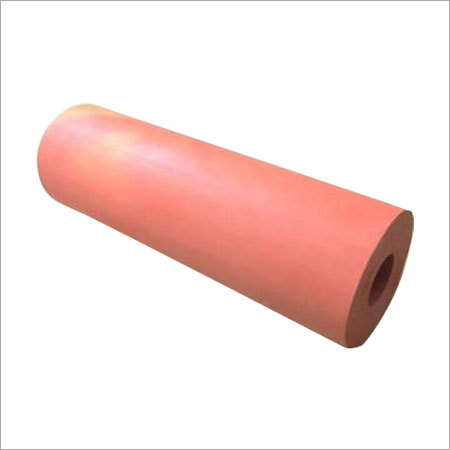
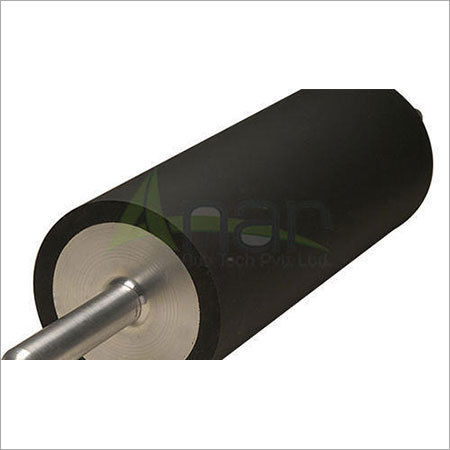
About Hot Stamping Silicone Rubber Roller
Technical specification
|
Length
|
300-2000 mm
|
|
Usage/Application
|
Industrial
|
|
Roller Surface
|
Silicone Rubber
|
|
Color
|
Orange
|
|
Size
|
Customize
|
|
Hardness
|
Maximum 90
|
|
Working temperature
|
-10 to 90 Degree C
|
|
Material
|
Silicone
|
Technical Details 
Precision Engineering for Industrial UseOur silicone rubber rollers are precisely manufactured to suit the rigorous needs of industrial printing applications. The solid cylindrical structure and straight cylindrical shape ensure consistent performance and stability, allowing for uniform pressure distribution during hot stamping processes. The smooth surface finish guarantees flawless imprint quality every time.
Superior Material SelectionWe combine high-grade silicone rubber with a stainless steel core to deliver outstanding heat resistance, durability, and longevity. The silicone material maintains its integrity under continuous high temperatures, while the hollow core keeps the roller lightweight yet robust, suitable for extended industrial use without compromising on efficiency or safety.
Custom Lengths and Expert SupportAvailable in lengths ranging from 300 mm to 2000 mm, our rollers are adaptable to various machine specifications. Whether you require consultation, custom engineering, or dependable after-sales support, our expertise as a manufacturer, supplier, and service provider ensures you have the perfect fit for your printing operation.
FAQ's of Hot Stamping Silicone Rubber Roller:
Q: How is the hot stamping silicone rubber roller used in industrial printing machines?
A: This roller is installed on industrial printing machines to transfer foil or pigment onto surfaces through the hot stamping process. Its heat-resistant silicone rubber surface enables precise and consistent stamping at elevated temperatures, ensuring high-quality prints on various substrates.
Q: What are the key benefits of using a silicone rubber roller with a stainless steel core?
A: Combining silicone rubber with a stainless steel core provides exceptional heat resistance, durability, and stability. This design withstands demanding industrial environments, reduces wear, and extends the roller's operational lifespan for cost-effective performance.
Q: When should a silicone rubber roller be replaced in a printing setup?
A: Replacement is recommended when there are signs of wear such as surface degradation, reduced hardness, or noticeable printing inconsistencies. Regular inspection and timely replacement prevent costly downtime and maintain print quality.
Q: Where can the roller be installed, and what printing applications does it support?
A: Designed for industrial printing machines, these rollers suit numerous applications including foil stamping and heat transfer processes. They are versatile for use in packaging, textiles, and other product marking industries requiring heat-resistant performance.
Q: What is the manufacturing process for these silicone rubber rollers?
A: The manufacturing process involves bonding high-quality silicone rubber onto a precision-engineered stainless steel hollow core, followed by curing and finishing to achieve the required smoothness and specific hardness (typically 75 Shore A, up to 90). Each roller undergoes quality checks for durability and dimensional accuracy.
Q: How does the roller's hardness influence its printing performance?
A: A hardness of 75 Shore A (up to a maximum of 90) ensures the roller maintains shape under pressure, delivers sharp and consistent imprints, and absorbs operational stresses effectively. It balances flexibility and resilience for demanding industrial use.
Q: What makes this roller suitable for hot stamping compared to other rollers?
A: Its heat-resistant silicone material, smooth finish, and sturdy stainless steel core provide reliable thermal performance and printing accuracy, making it exceptionally well-suited for hot stamping and heat transfer applications in industrial settings.
 Working hours: Mon - Sat : 10AM - 7PM
 08045475521
 Get A Quote





 Send Inquiry




 Send Inquiry



