Rubber Expander Roller For Packaging Industry About
Technical specification
Material | Alu. / M.S / S.S / Rubber |
Brand | Anar |
Usage/Application | Textile Industry,Lamination Industry,Paper Industry,Plastic Industry,Film Plant etc. |
Temperature | upto 350 C |
Surface Treatment | Rubber |
Diameter | upto 250 |
Roller Surface | Rubber |
Packing Type | Standard |
Color | Blue,Black,Green |
Technical Details 
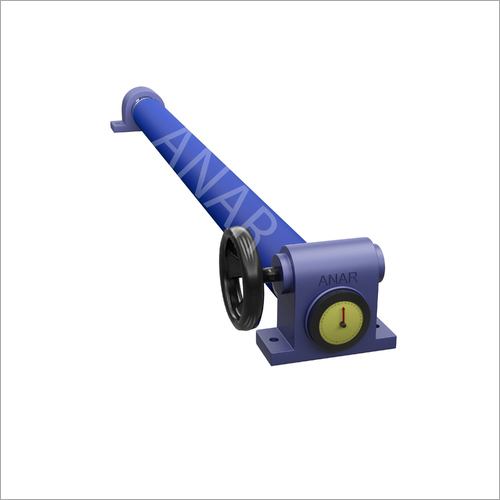
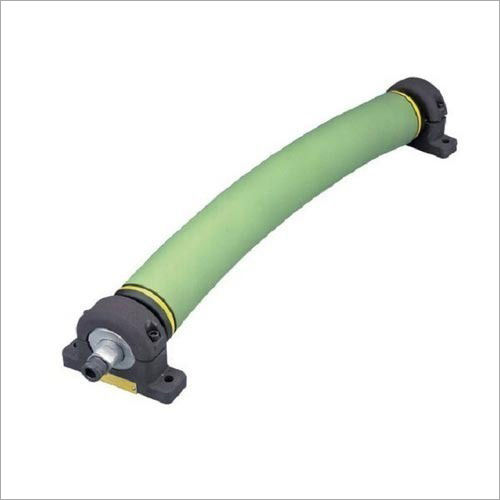
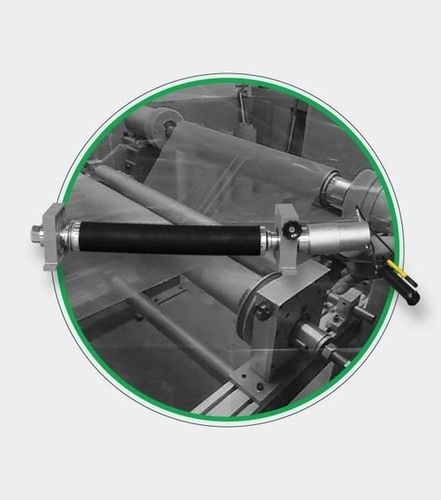
Versatile Application Across IndustriesOur Rubber Expander Rollers are utilized in web guiding and spreading for the packaging sector, addressing the complexities of handling films, laminates, textiles, and paper. Their adaptability extends through various mounting types and dimensions, making them suitable for a wide spectrum of industrial needs, from flexible packaging to textile processing.
Engineered for Performance and LongevityConstructed with a synthetic rubber outer sleeve and a mild steel core, these rollers are designed to withstand tough working conditions. Their anti-static and abrasion-resistant qualities foster smooth operation even at high speeds and varying temperatures, ensuring operational reliability and reduced downtime.
Customizable Options for Every RequirementAvailable in sizes ranging from 100 mm to 300 mm diameter and up to 6000 mm in length, and surface finishes including smooth, mat, or grooved, these rollers are tailored to unique client specifications. Coupled with black or metallic finishes, they offer both functionality and aesthetic appeal for diverse industrial settings.
FAQs of Rubber Expander Roller For Packaging Industry:
Q: How are Rubber Expander Rollers used in the packaging industry?
A: Rubber Expander Rollers are utilized to guide and spread webs of materials such as films, laminates, paper, and textiles, ensuring precise alignment and smooth processing throughout packaging operations. Their design prevents wrinkles and improves product quality during production.
Q: What materials are suitable for use with these expander rollers?
A: These rollers are compatible with flexible packaging films, laminates, papers, and textiles. The synthetic rubber surface provides reliable handling, while the anti-static and abrasion-resistant properties protect delicate materials during processing.
Q: When should I consider choosing a grooved or mat surface finish?
A: Grooved or mat surface finishes are ideal when enhanced grip or reduced slippage is required during web processing. Selection depends on the type of material being handled and the specific demands of your application, such as tension control or delicate substrate management.
Q: Where can these rollers be installed within packaging lines?
A: Rubber Expander Rollers can be installed at various stages of the packaging or processing line, wherever web guiding, spreading, or tension control is necessary. Their foot, flange, or custom mounting options provide flexibility for integration with existing machinery.
Q: What is the process for servicing or maintaining these rollers?
A: Regular maintenance includes periodic inspection for surface wear, checking alignment, and ensuring the roller operates within the recommended temperature and speed limits. The durable design minimizes routine servicing, but prompt attention to any physical damage ensures optimal lifecycle performance.
Q: How does the rollers hardness impact its usage and application?
A: The rollers hardness, ranging from 25 to 85 Shore A, directly influences its flexibility and grip. Softer rollers suit delicate substrates, while harder options provide enhanced durability and precision for robust materials, enabling tailored solutions for varied packaging processes.
Q: What are the primary benefits of using a synthetic rubber expander roller with a mild steel core?
A: The synthetic rubber sleeve provides excellent abrasion resistance and anti-static characteristics, protecting processed materials. The mild steel core ensures structural integrity and allows the roller to run at speeds up to 3500 RPM, delivering dependable performance for intense packaging tasks.
 Working hours: Mon - Sat : 10AM - 7PM
 08045475521
 Get A Quote


 Send Inquiry




 Send Inquiry



