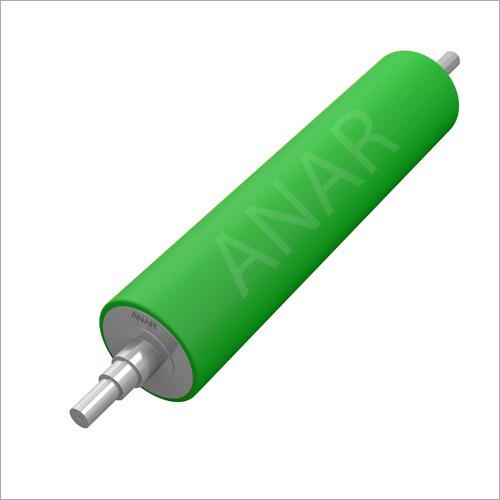
Rubber Roller For Foil About
Here are some of the key characteristics of a rubber roller for foil:
Material: Typically made from high-grade silicone rubber that can withstand high temperatures (up to 300 C) without deteriorating.
Properties: These rollers are designed to be non-stick, elastic, and heat resistant to ensure smooth foil application and prevent wrinkles or tearing.
Hardness: The shore hardness of a rubber roller for foil typically ranges between 60 and 75 Shore A, which means they are firm yet flexible enough to conform to slightly uneven surfaces.
Size: Available in a wide range of diameters and lengths to fit various machinery and applications.
Here are some of the common applications of rubber rollers for foil:
Hot foil stamping: This is the primary function of these rollers. They are used to transfer metallic or pigmented foil onto various materials like paper, plastic, or leather, creating decorative designs, logos, or lettering.
Laminating: These rollers can be used to apply a thin layer of adhesive film during a laminating process, bonding two or more plies of flexible materials together.
Web guiding: The smooth, elastic surface of these rollers helps guide and control the movement of foil or other flexible materials through a machine.
Heat sealing: Rubber rollers can be used to apply heat and pressure to seal foil or other thermoplastic materials.
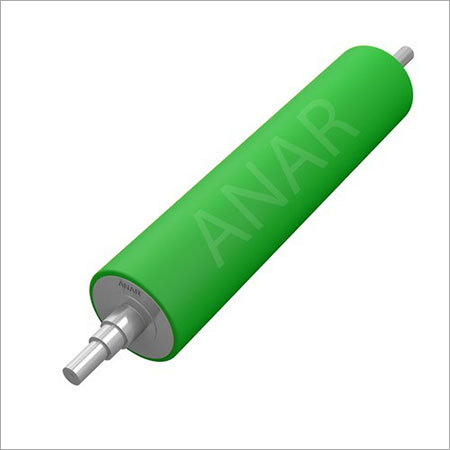
Precision Engineering for Foil ApplicationsOur rubber rollers are meticulously crafted with high-quality synthetic rubber and precision-ground steel or aluminum cores. This ensures a uniform and mirror-finish rubber coating, critical for high-performance foil processing, lamination, and embossing applications. Every roller supports superior output and prolonged operational efficiency.
Customizable to Your SpecificationsDesigned for versatility, these rollers can be tailored in both diameter and length-typically 50 mm to 500 mm in diameter and up to 3500 mm long. This flexibility allows them to fit seamlessly into varied manufacturing setups, ensuring proper alignment and optimal contact during foil processing and printing tasks.
Reliable Performance and Easy MaintenanceOur rollers excel in high-demand environments, withstanding temperatures up to 120C and exposure to common solvents and adhesives. Their robust structure offers low maintenance requirements and long service intervals, minimizing downtime and maximizing productivity for your business.
FAQ's of Rubber Roller For Foil:
Q: How is the Rubber Roller for Foil used in the printing and lamination industries?
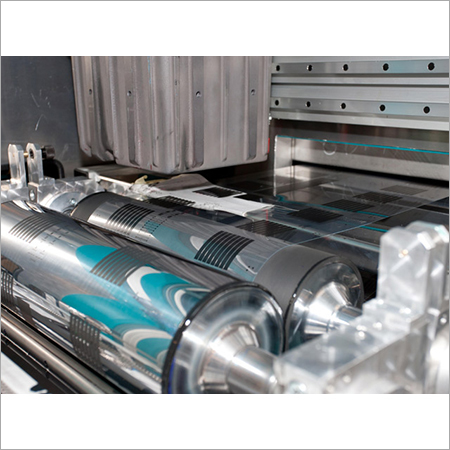
A: The rubber roller is integrated into foil processing, embossing, and printing machines, where it transfers pressure and guides foil or film materials. Its uniform, mirror-finish surface ensures even contact and high-quality output during lamination and printing processes.
Q: What materials are used for the roller core, and why are they important?
A: The roller core is constructed from precision-ground steel or aluminum, which provides excellent strength, stability, and resistance to wear. This robust core maintains dimensional accuracy under operational stress, ensuring consistent foil application and long service life.
Q: When should the rubber roller typically be maintained or replaced?
A: Thanks to its durable design and quality materials, this roller requires minimal maintenance. Service intervals are long, but it is advisable to inspect the roller regularly for signs of wear or damage and follow manufacturer guidelines based on your specific application.
Q: Where can these rubber rollers be installed?
A: These rollers are versatile and can be incorporated into a wide range of industrial equipment in foil processing, lamination, embossing, and printing facilities. Their customizable dimensions and mounting types (flange or shaft-mounted) allow adaptation to different machine requirements.
Q: What is the process for customizing the roller size and surface finish?
A: Customers can specify diameter, length, and surface finish requirements during the ordering process. The manufacturer then customizes the roller to match those specifications, ensuring optimal fit and performance for the intended application.
Q: What are the key benefits of using these rubber rollers in foil applications?
A: The rollers offer excellent temperature resistance, chemical compatibility with common solvents and adhesives, low maintenance, and eco-friendly, durable construction. This combination delivers superior performance and longevity, reducing operational costs and downtime.
 Working hours: Mon - Sat : 10AM - 7PM
 08045475521
 Get A Quote




 Send Inquiry




 Send Inquiry



