Textile Printing Rubber Roller About
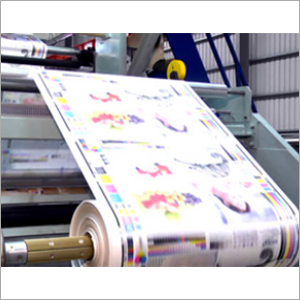
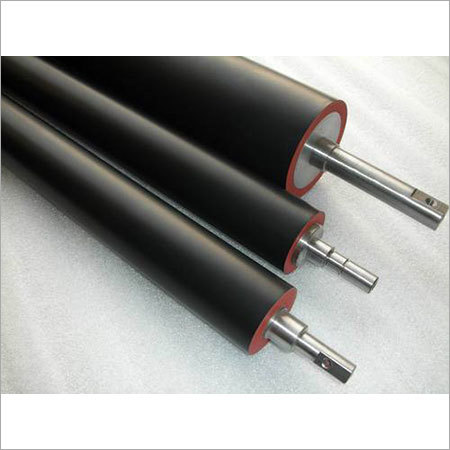
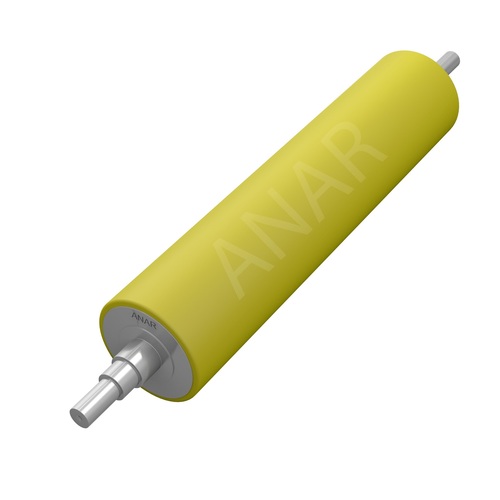
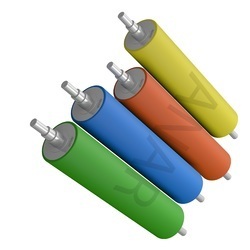
The fabric is fed into the textile printing machine by a textile printing rubber roller. The rollers transfer the ink in a specific design onto the fabric passed through the rollers. As the name suggests, the roller is made from rubber and because of that the ink is precisely and consistently transferred onto the fabric. Printing techniques such as screen printing, rotary printing, and digital printing commonly use textile rubber rollers. Even in high-volume production environments, their durability guarantees a long service life and guarantees precise, consistent ink transfer.
Engineered for ExcellenceThese EPDM rubber rollers are designed to meet the rigorous demands of modern textile printing operations. Their robust construction and light weight make handling and installation simple while delivering stable performance even under high-speed conditions.
Comprehensive Range for Industry ApplicationsWith customizable lengths up to 7 meters and diameters to 600 mm, our textile printing rubber rollers seamlessly fit different machinery. Their washable, waterproof, and coated surface ensures long-lasting efficiency and minimal maintenance over extended cycles.
FAQ's of Textile Printing Rubber Roller:
Q: How are textile printing rubber rollers used in the printing process?
A: Textile printing rubber rollers transfer dyes and patterns onto fabrics by consistently applying pressure and facilitating even ink distribution during the printing process, ensuring high-quality results every time.
Q: What are the key benefits of using EPDM rubber rollers in textile printing?
A: EPDM rubber offers superior resistance to chemicals and weather, while its lightweight and waterproof qualities make maintenance and handling easier. The washable, coated surface extends the roller's lifespan and helps achieve precise prints.
Q: When should you replace a textile printing rubber roller?
A: Replacement is recommended when there are signs of wear, uneven surfaces, or reduced printing quality. Regular inspection ensures optimal performance, especially in continuous and high-volume textile production lines.
Q: Where are these textile printing rubber rollers commonly installed?
A: They are commonly fitted in textile printing machinery across manufacturing plants and processing units, particularly where large-format and continuous fabric printing are required.
Q: What is the manufacturing process for these rubber rollers?
A: The process involves molding and shaping EPDM rubber onto a core, followed by precision coating for a smooth, durable surface. Final inspection ensures each roller meets stringent industry standards for quality and performance.
Q: How can you maximize the service life of these rollers?
A: Clean the rollers regularly using recommended solutions, avoid exposure to harsh chemicals not suited for EPDM, and store them in dry, controlled environments when not in use. Regular maintenance ensures sustained efficiency and longevity.
 Working hours: Mon - Sat : 10AM - 7PM
 08045475521
 Get A Quote




 Send Inquiry




 Send Inquiry



