Cooling Roller About
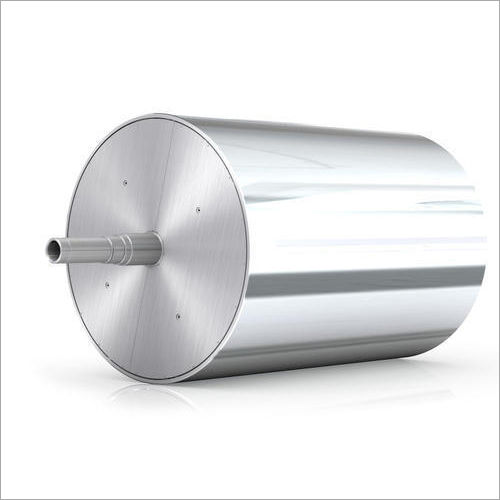
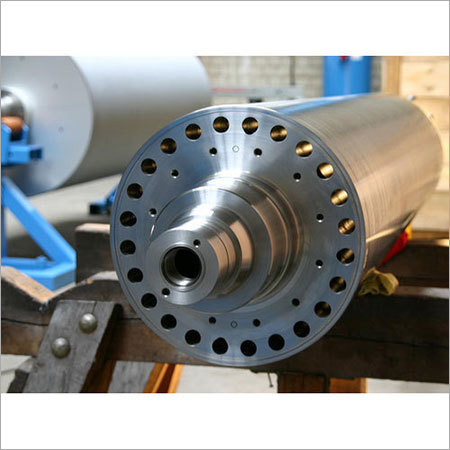
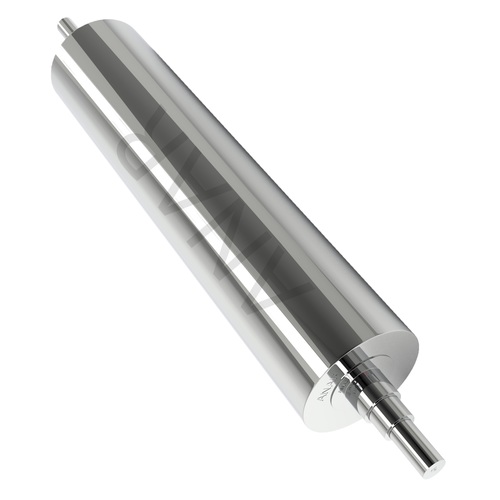
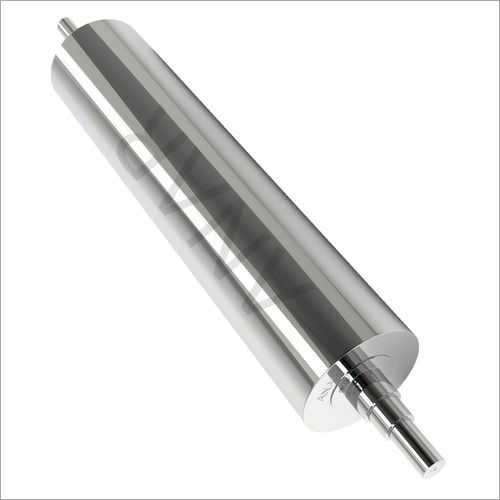
Our Cooling Roller has a strong chrome plated surface. The hard chrome plated surface area of the Roll is kept cold by cool water travelling through its Rotary joint. This cools the contact area that comes into contact with the web materials or rubber rolls. This is very easy to use and simple to operate. Cooling Roller is known for its unique features like high strength, customized size, easy installation and simple to clean. This can be easily purchased by our eminent customers, at nominal prices, in bulk quantities.
Technical specification
|
Storage Capacity
|
Customized
|
|
Usage/Application
|
Commercial
|
|
Number Of Taps
|
Customized
|
|
Dimensions
|
Customized
|
|
Color
|
Silver
|
|
Brand
|
Anar Rub
|
|
Cooling Capacity
|
Customized
|
|
Body Material
|
Metal
|
|
Application
|
Industrial
|
Technical Details 
Efficient Thermal ManagementCooling rollers are vital for industries where maintaining material temperature is crucial. By swiftly removing unwanted heat from the production surface, these rollers prevent warping, sticking, and deformation, ensuring high-quality output and consistent results across various applications.
Versatile Industrial ApplicationsOur cooling rollers are engineered for use in multiple sectors, including the paper, textile, lamination, packaging, and plastic film industries. Their robust design and adaptability make them an ideal choice for a broad spectrum of manufacturing processes, facilitating seamless integration and optimal performance.
FAQ's of Cooling Roller:
Q: How are cooling rollers used in the paper and textile industries?
A: Cooling rollers are integrated into production lines to rapidly reduce the temperature of processed paper and textile materials. This helps prevent distortion and maintains the materials' structural integrity during and after manufacturing, ensuring smooth downstream operations.
Q: What benefits do cooling rollers provide for lamination and packaging processes?
A: Cooling rollers dissipate excess heat generated during lamination and packaging, resulting in improved adhesion, fewer material defects, and higher-quality finished products. Their use can also enhance machine throughput and reduce energy consumption.
Q: When should cooling rollers be replaced or serviced?
A: Cooling rollers should be inspected regularly for signs of wear, reduced cooling efficiency, or surface damage. Replacement or servicing is recommended when performance declines or according to the equipment maintenance schedule to ensure consistent product quality.
Q: Where can I install cooling rollers in my industry?
A: Cooling rollers are typically installed after high-temperature processing zones, such as in extrusion, calendaring, or lamination sections. Placement depends on your specific process flow and material handling requirements, which our experts can help determine.
Q: What is the standard process for manufacturing cooling rollers?
A: The production process typically involves selecting high-grade metals, precision machining the roller body, integrating efficient cooling channels, and applying surface treatments for durability. Quality control ensures each roller meets performance and safety standards.
Q: Which materials are suitable for these cooling rollers to handle?
A: Our cooling rollers efficiently handle a variety of materials, such as paper, fabrics, films, laminates, and diverse plastics. They are engineered to provide stable temperature control without compromising material quality during processing.
Q: What advantages does sourcing cooling rollers from an Indian exporter provide?
A: Sourcing from an Indian exporter delivers cost-effective solutions, fast turnaround times, and access to skilled manufacturing support. Our experience ensures reliable, tailored roller systems suited for global industrial standards.
 Working hours: Mon - Sat : 10AM - 7PM
 08045475521
 Get A Quote





 Send Inquiry



 Send Inquiry



