Industrial Textile Expanders About
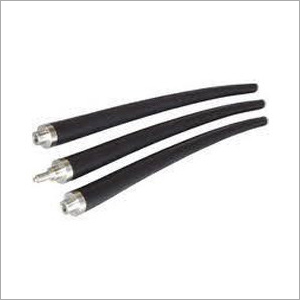
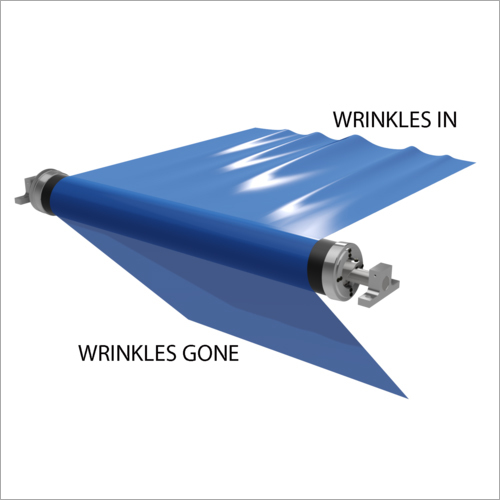
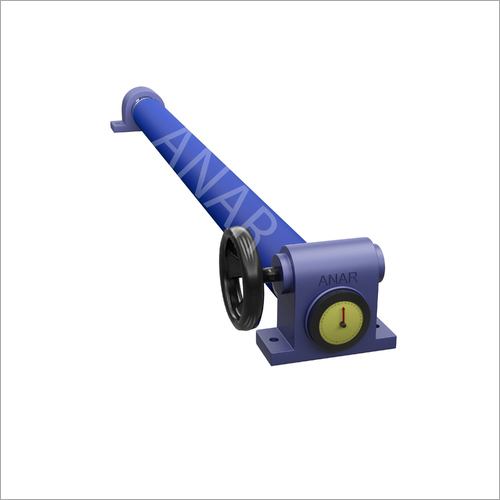
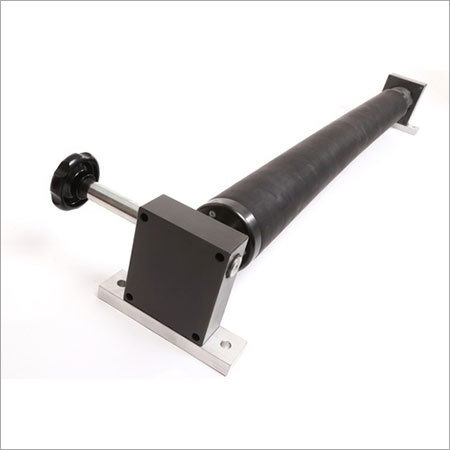
Industrial Textile Expanders are used for wrinkle removal, slack edges, spreading, and slit separation. They are propelled solely by web tension, with no additional motor. Textile processing machines, plastic converting machines, and paper industries use it for manufacturing, processing, printing, laminating, coating, batching, winding, and rewinding. Apart from these, our provided Industrial Textile Expanders are equipped with a bow angle adjustable worm-worm wheel gearbox with hand wheel and counter pedestal bearing block for this purpose. They are offered in both foot and flange mounting configurations.
Robust Performance in Textile ManufacturingOur Industrial Textile Expanders excel in stretching, drying, and finishing processes, ensuring fabrics are handled uniformly for consistent, high-quality results. With an abrasion-resistant, polished surface, these rollers minimize fabric damage and withstand the rigors of continuous industrial use across various textile and garment sectors.
Adaptable Design for Diverse ApplicationsThese expanders feature customizable lengths, diameters, and pile lengths to fit specific machinery requirements. With a modular mounting systemeither flanged or shaft-mountedthey integrate seamlessly into existing textile processing lines, making them an excellent choice for fabric processing units seeking efficiency and adaptability.
Durability Meets EfficiencyManufactured with high-grade stainless steel or mild steel for structural integrity and corrosion resistance, these solid roller expanders maintain peak performance up to 100C. The easily maintained surface finish and robust construction reduce maintenance frequency, resulting in increased operational uptime and cost savings for textile manufacturers.
FAQs of Industrial Textile Expanders:
Q: How are industrial textile expanders used in fabric processing?
A: Industrial textile expanders are utilized to uniformly stretch, dry, and finish fabrics by preventing wrinkles and creases during movement through processing lines. They maintain fabric tension and alignment, resulting in smoother and higher-quality material outputs in textile and garment industries.
Q: What is the typical process for installing these textile expanders?
A: Installation involves mounting the expander using the flanged or shaft-mounted options, aligning with the existing machine setup. Afterwards, operators set the desired expansion range (up to 45 mm) to fit specific textile widths. Customizable pile lengths and sizes ensure a precise fit for various fabric processing equipment.
Q: When should I consider replacing or upgrading my textile expander rollers?
A: Replacement or upgrades are recommended when rollers show signs of surface wear, reduction in expansion efficiency, or increased operational noise. Regular inspection under operating temperatures up to 100C helps determine the timing, but durable construction generally ensures long service life.
Q: Where are these textile expanders typically used?
A: These expanders are commonly used within textile mills, fabric processing plants, garment manufacturing units, and finishing lines, mainly across India. Their robust design makes them suitable for any facility involved in professional textile and garment production.
Q: What are the primary benefits of using high abrasion-resistant, corrosion-proof expanders?
A: The main benefits include prolonged equipment life, less frequent maintenance, fewer fabric rejects due to damage, and consistent processing results. The abrasion-resistant polished surface also ensures smooth handling of delicate fabrics while preventing contamination or corrosion.
Q: How can I customize the expander to match specific machine requirements?
A: Options for customization include selecting roller diameter (30 mm to 150 mm), roller length (250 mm to 5000 mm), and pile length as per your needs. Handle material (stainless steel or mild steel), color, as well as mounting type (flanged or shaft) can also be tailored for compatibility with your setup.
 Working hours: Mon - Sat : 10AM - 7PM
 08045475521
 Get A Quote




 Send Inquiry




 Send Inquiry



