Rubber Grooved Spreader Rollers About
Rubber Grooved Spreader Rollers
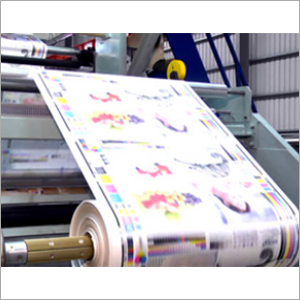
We are one of the leading manufacture and exporter of a wide array of Rubber Grooved Spreader Rollers to our clients in the world. These spreader rollers are applicable even when the web consists of a delicate layer. The grooved pattern makes the roller cushioning and resonance. Our products are capable of handling extremely delicate films without any destruction or damaged during the process of wrinkle removing.
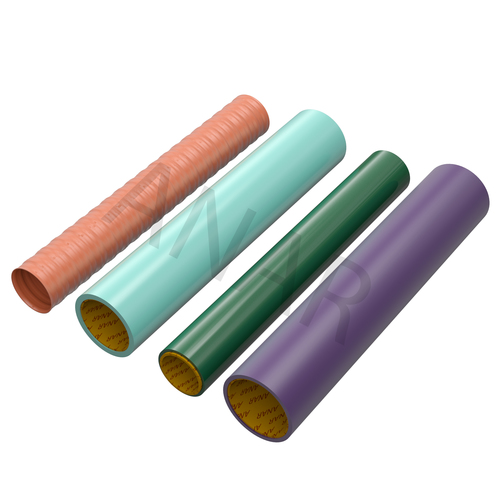
Sturdy and efficient Rubber Grooved Spreader Roller is provided in straight grooves. It is a cost-effective solution for spreading, tracking as well as dewrinkling. In addition to this, it is also used in non-slipping and air eliminating processes. It is developed using high-grade elastomers with angled and spiraling grooves. This anti-wrinkle roll is sure to provide the best and uniform spreading results with its solvent resistant, heat-proof and durable design. Moreover, it can also be used in the delicate webs as it keeps the film free from tension and crease.
Its types are:
- Two or four starts scroll type RH & LH
- Individual Groove Type RH & LH
Technical Details 
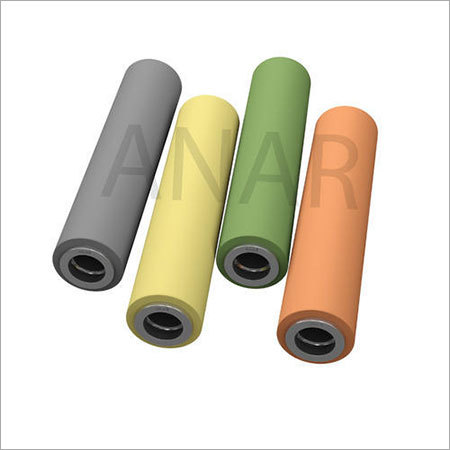
Engineered for Industrial PerformanceDesigned with a robust polyurethane rubber body and supported by a steel axle handle, these grooved spreader rollers excel in industrial conditions. Their corrosion and heat resistance ensure longevity and reliability, even under strenuous operations. With customizable sizes and straightforward installation, they bring efficiency and ease to diverse manufacturing processes.
Versatile and Customizable FitOur rollers cater to a variety of requirements with customizable lengths and diameters to perfectly match your machinery or process. The unique grooved cylindrical design optimizes spreading and material handling, making them suitable for multiple industrial applications, whether as part of a new system or for replacing existing components.
FAQ's of Rubber Grooved Spreader Rollers:
Q: How are the Rubber Grooved Spreader Rollers typically installed?
A: Installation is straightforward, as these rollers are designed for easy fitment onto standard industrial machinery. The steel axle provides sturdy support and enables quick assembly, ensuring minimal downtime during replacement or setup.
Q: What industries benefit most from using these rollers?
A: These rollers are ideal for industries requiring material spreading and transport, such as manufacturing, textiles, packaging, and paper processing. Their robustness and specialized surface configuration make them suitable for demanding industrial environments.
Q: When should I consider replacing my existing rollers with these polyurethane grooved rollers?
A: Consider upgrading when your current rollers show signs of wear, inefficiency, or frequent maintenance issues. Our rollers offer enhanced durability, non-stick performance, and lower maintenance, making them a smart choice during scheduled maintenance or equipment upgrades.
Q: Where are these rollers manufactured and can they be exported globally?
A: These rollers are manufactured in India, leveraging high-quality materials and advanced manufacturing techniques. As an exporter, manufacturer, service provider, and supplier, we cater to global markets and ensure timely delivery worldwide.
Q: What is the typical process for customizing the roller length and diameter?
A: Simply provide your specifications for the roller length and diameter when placing your order. Our manufacturing team will tailor the rollers to meet your exact requirements, ensuring they fit seamlessly into your application.
Q: What are the key benefits of using polyurethane rubber in these rollers?
A: Polyurethane rubber offers excellent durability, abrasion resistance, and resilience to heat and chemicals. This material choice ensures the rollers are long-lasting, non-stick, and suit demanding industrial tasks, reducing maintenance and replacement frequency.
Q: How does the grooved surface configuration improve application usage?
A: The grooved surface ensures effective spreading and alignment of materials, preventing slippage and improving operational efficiency. It plays a vital role in enhancing product quality and consistency during material handling processes.
 Working hours: Mon - Sat : 10AM - 7PM
 08045475521
 Get A Quote





 Send Inquiry




 Send Inquiry



