Rubber Roller About
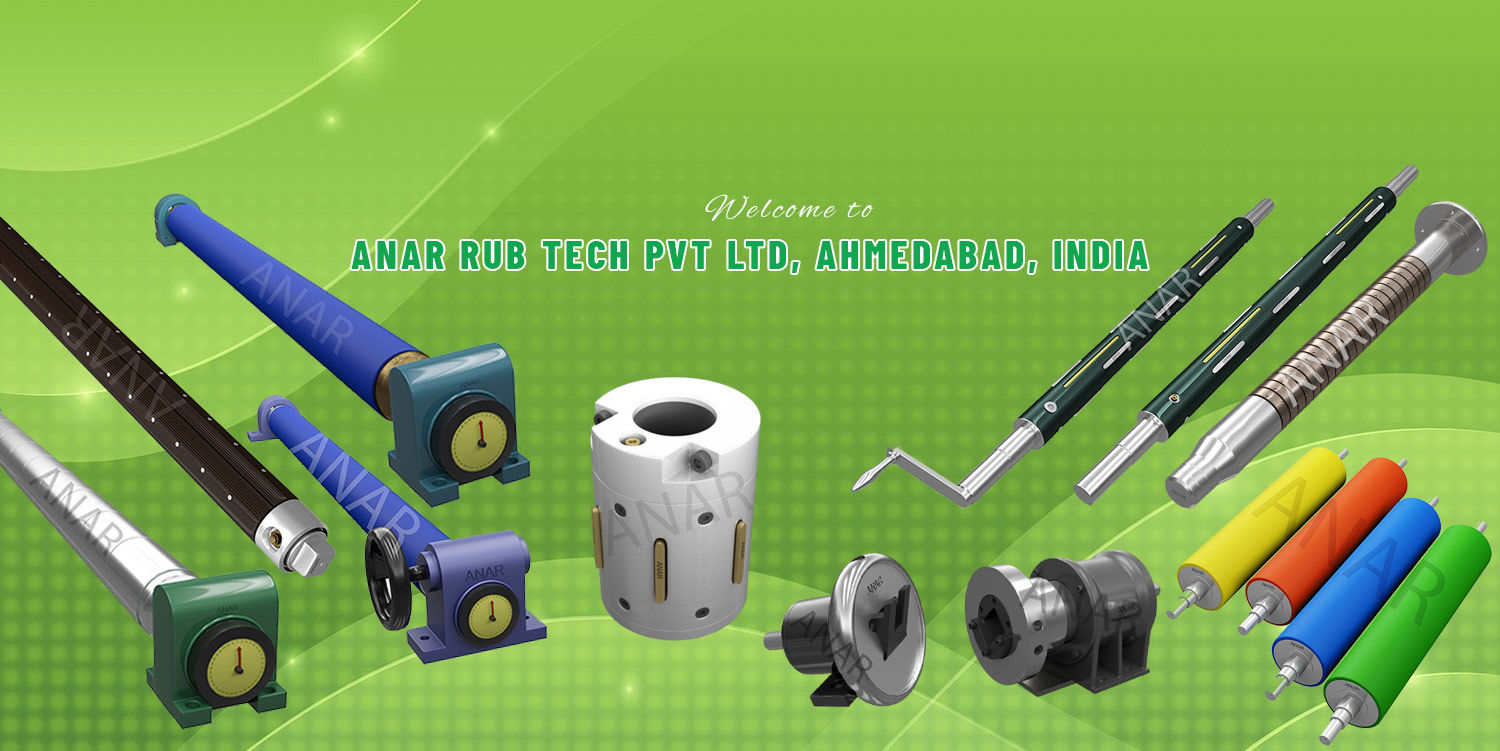
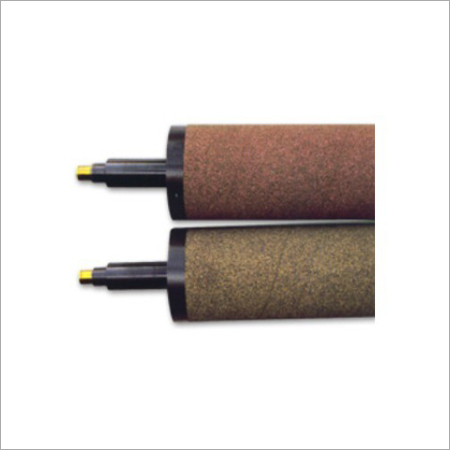
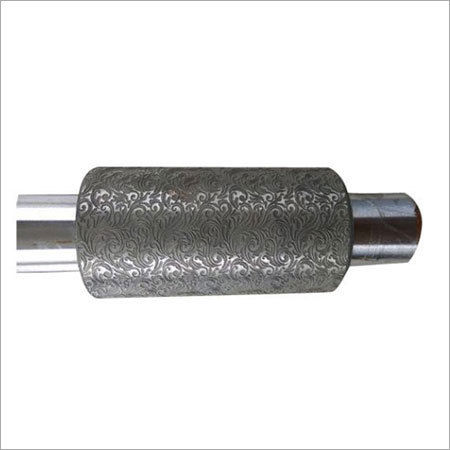
Rubber roller is essentially rubber-covered metal pipe used in a variety of industrial applications such as conveying, printing, laminating, and sealing. This roller is frequently used in high-demand production situations. Their role is to make it easier to transport commodities or products from point A to point B. Our provided Rubber roller is an agricultural equipment that is used to flatten ground or break up huge clumps of soil, particularly after ploughing or disc harrowing. This is very easy to use.
Technical specification
|
Finish
|
Color Coated
|
|
Roller Length
|
Greater than 500 mm
|
|
Shape
|
Cylindrical
|
|
Material
|
PU
|
|
Roller Diameter
|
76-219 mm
|
|
Surface Treatment
|
Painting Galvanized
|
Technical Details 
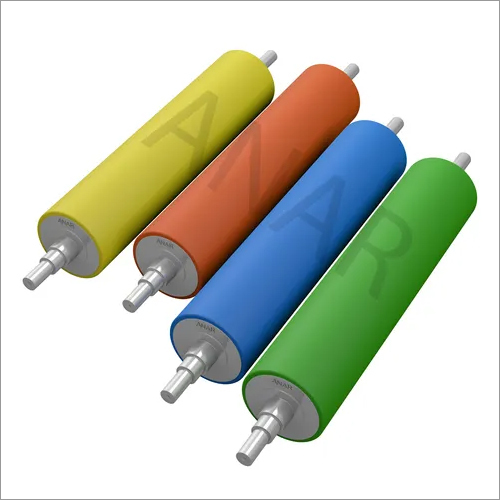
Precision-Engineered for Rotogravure PrintingOur Rubber Roller caters specifically to the rigorous demands of rotogravure printing. Featuring a steel shaft core and synthetic rubber build, each roller guarantees seamless transfers and consistent results. Colored, smooth finishes enhance visual monitoring during high-speed processes, making it an ideal fit for various industrial setups.
Versatile Sizes and Easy ReplacementAvailable in diameters of 0-50 mm and lengths up to 100 mm, these rollers are suitable for a wide range of printing machinery. The detachable construction allows for hassle-free maintenance and replacement, reducing downtime and boosting productivity in your operations.
FAQ's of Rubber Roller:
Q: How is the rubber roller installed and replaced?
A: The roller is designed with a detachable mechanism, allowing quick and straightforward removal and replacement. Simply detach the roller from the machinery, secure the new roller by aligning it with the steel shaft core, and ensure a firm attachment for optimal performance.
Q: What are the benefits of choosing multiple color variants for the rubber roller?
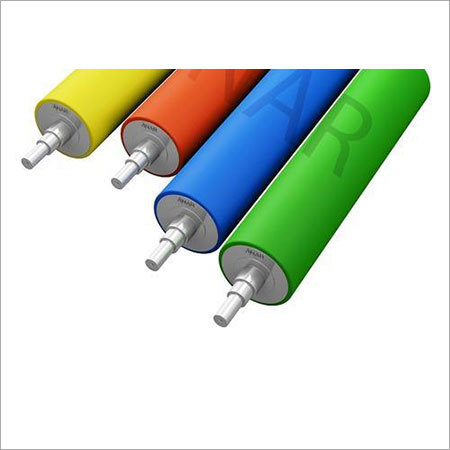
A: Utilizing color variants such as yellow, orange, blue, and green can help operators designate rollers for specific print tasks, minimize cross-contamination, and streamline workflow identification during production.
Q: When should a rubber roller be replaced?
A: Replace the rubber roller when you notice signs of surface wear, uneven printing, or changes in hardness outside the original 20-90 Shore A specification, to maintain high print quality and prevent machine damage.
Q: Where is this rubber roller most commonly used?
A: This roller is primarily used in industrial printing applications, especially in rotogravure printing machines, owing to its robust steel core and synthetic rubber properties.
Q: What is the process for maintaining the rubber roller's performance?
A: Regularly clean the smooth rubber surface to prevent ink and debris buildup, inspect for signs of wear or degradation, and store the roller in recommended conditions to preserve its hardness and finish.
Q: How does the lightweight structure benefit users?
A: The roller's lightweight design, coupled with a sturdy metal handle, enables easier handling, faster replacement, and less operator fatigue, improving overall efficiency in maintenance and operation.
 Working hours: Mon - Sat : 10AM - 7PM
 08045475521
 Get A Quote





 Send Inquiry




 Send Inquiry



